MOGGED multiplayer and co-op
One to eight players online with proximity voice chat, full solo support and a microphone requirement — matchmaking, regions and crossplay are not announced yet.
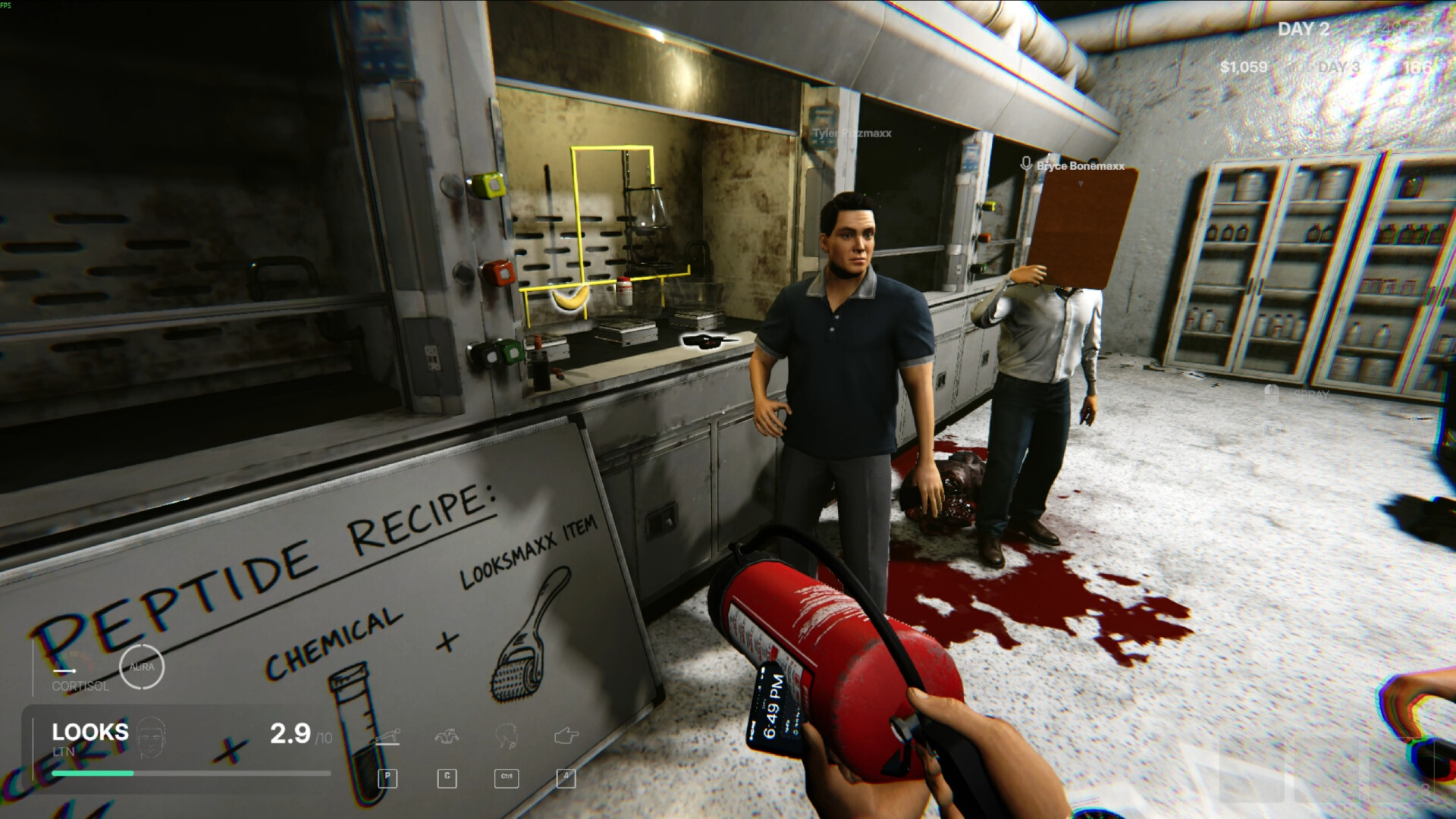
The short version
The store page lists Single-player, Online Co-op, proximity voice chat and 1–8 players as features. The official site's FAQ answer is the same in plainer words: "One to eight. Solo all the way up to a full crew of eight."
What is confirmed on the store page
| Feature | Confirmed |
|---|---|
| Player count | 1–8 players online |
| Voice | Proximity voice chat — listed as a headline feature |
| Solo | Yes, from start to finish |
| Co-op | Online co-op; the site calls it the core of the game |
| Family Sharing | Listed in the store's feature set |
| Microphone | Required — see the system requirements |
| Matchmaking, regions, crossplay | Not announced on the store page as of 2026-10-01 |
What proximity voice actually changes
Voice falls off with distance, which turns the frat house into a communication problem rather than a lobby:
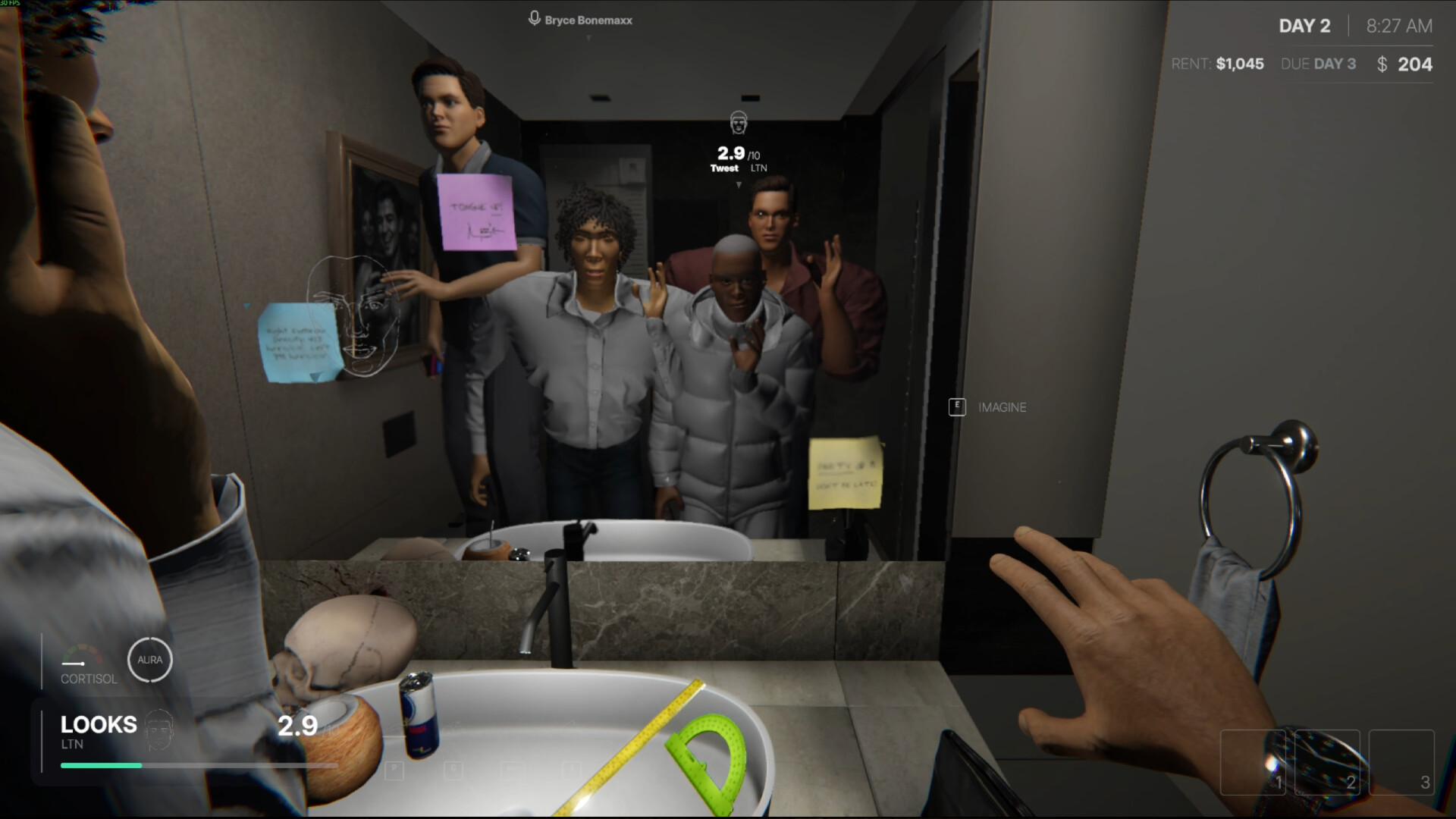
- Splitting up costs information. The further apart the squad, the less you can coordinate — and someone is always the ugliest face in whatever room they are standing in.
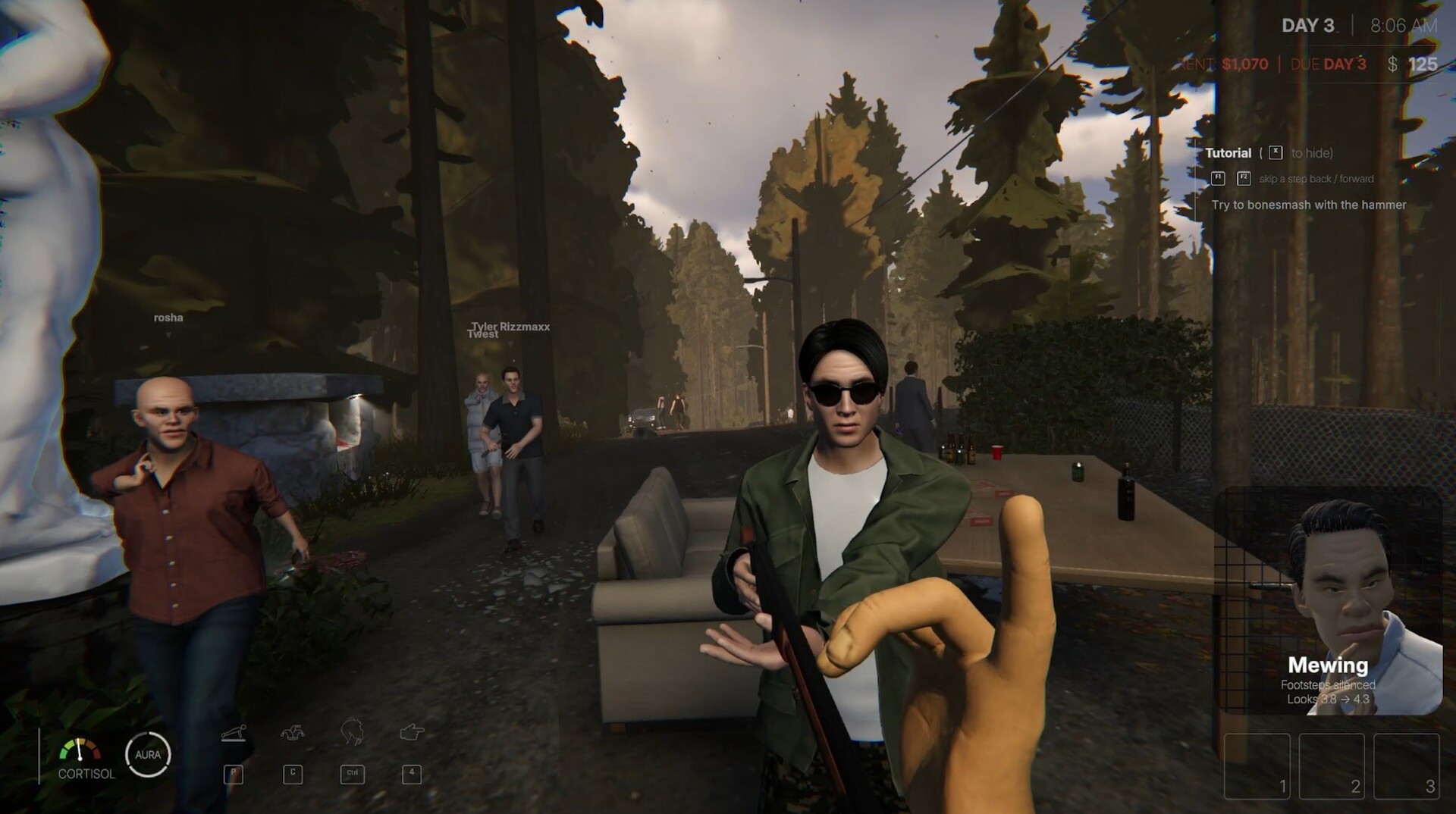
- The house hears you. Proximity audio is a mechanic in this genre, not just a convenience; the enemies guide lists who is listening.
- Being quiet is a strategy. The night phase is described as rummaging through cabinets while something stalks the ugliest person — noise and proximity both cut against that.
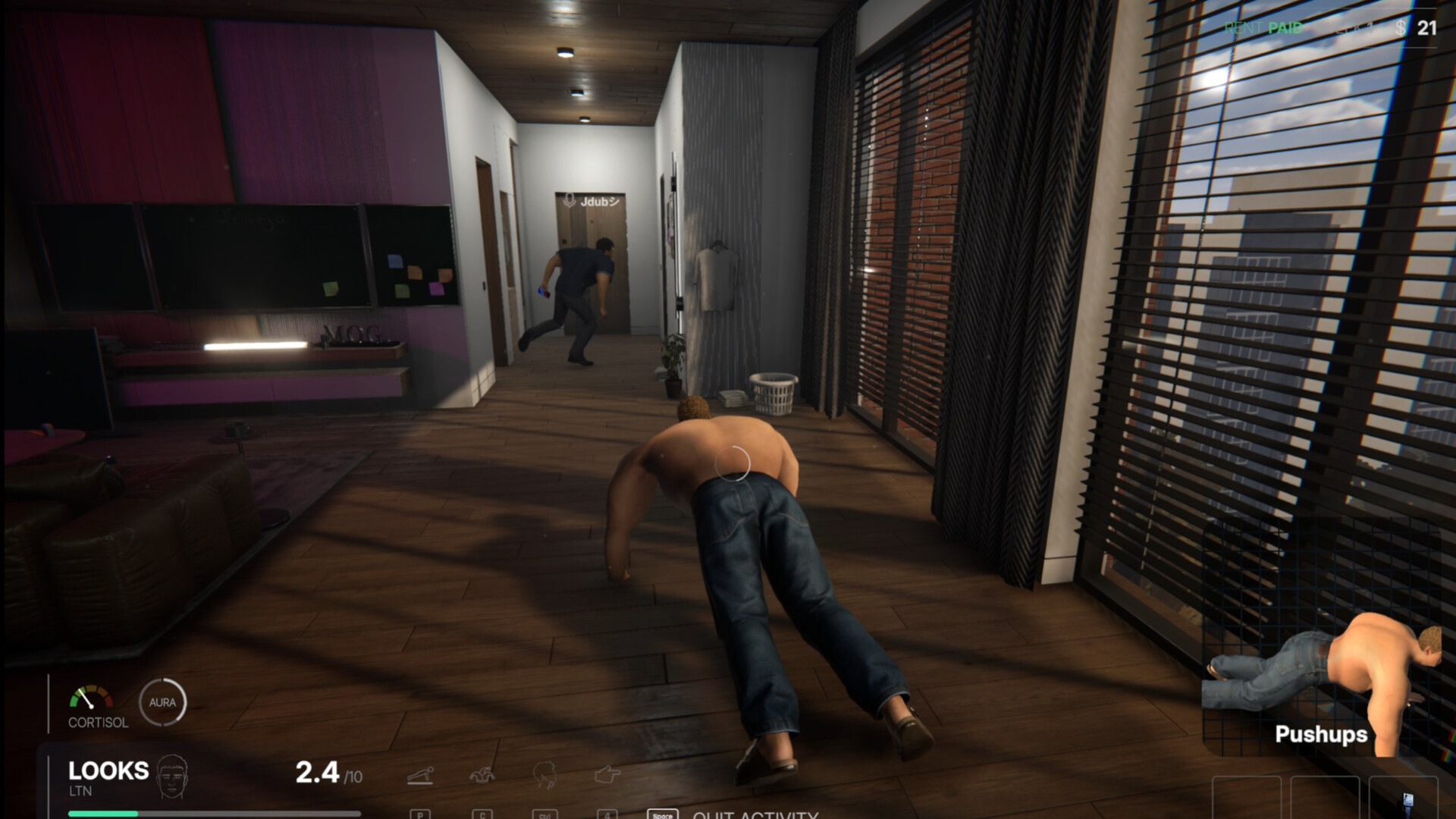
Solo play is a supported mode, not a fallback
The official FAQ answers it directly: solo works from start to finish, and "the group average is just you now, which is either good news or extremely bad news." Mechanics-wise that means:
- There is no second player to be less attractive than — you are the whole quota.
- Rent, curfew and the rating tiers apply exactly as they do in a full lobby.
- The hunter has one candidate.
Group size and the ugliest-player rule
The store's headline feature — the ugliest player gets hunted — scales with the roster. In an eight-player lobby someone is always having a bad night; in a two-player lobby, half the lobby is. Coordinating who improves, who carries loot and who stays mid-pack is the whole co-op layer, and it is why voice matters more here than in most co-op horror.
How a lobby actually forms
Nothing on the store page documents matchmaking, region selection or a server browser as of 2026-10-01, so the supported assumption for launch is the one the genre has used for years: you play with people you invite, through Steam. That has a knock-on effect on the threat — a lobby of strangers and a lobby of friends read the ugliest-player rule very differently, because friends will happily tell you where you rank.
Party size and the quota
The quota is a group average, so the maths changes with headcount:
| Lobby | What the average looks like | Practical effect |
|---|---|---|
| 1 player | Your rating is the whole average | Every bad night is a quota failure; the official FAQ calls it "either good news or extremely bad news" |
| 2–4 | Each player carries 25–50% of the average | One weak member is visible and fixable |
| 5–8 | Each player carries 12–20% | Easier to keep the average up, but someone is always the bottom face |
Next steps
- Read the day/night loop before your first session.
- Get the first three days right in the beginner guide.
- Decide what your PC needs in the system requirements.