MOGGED stats explained
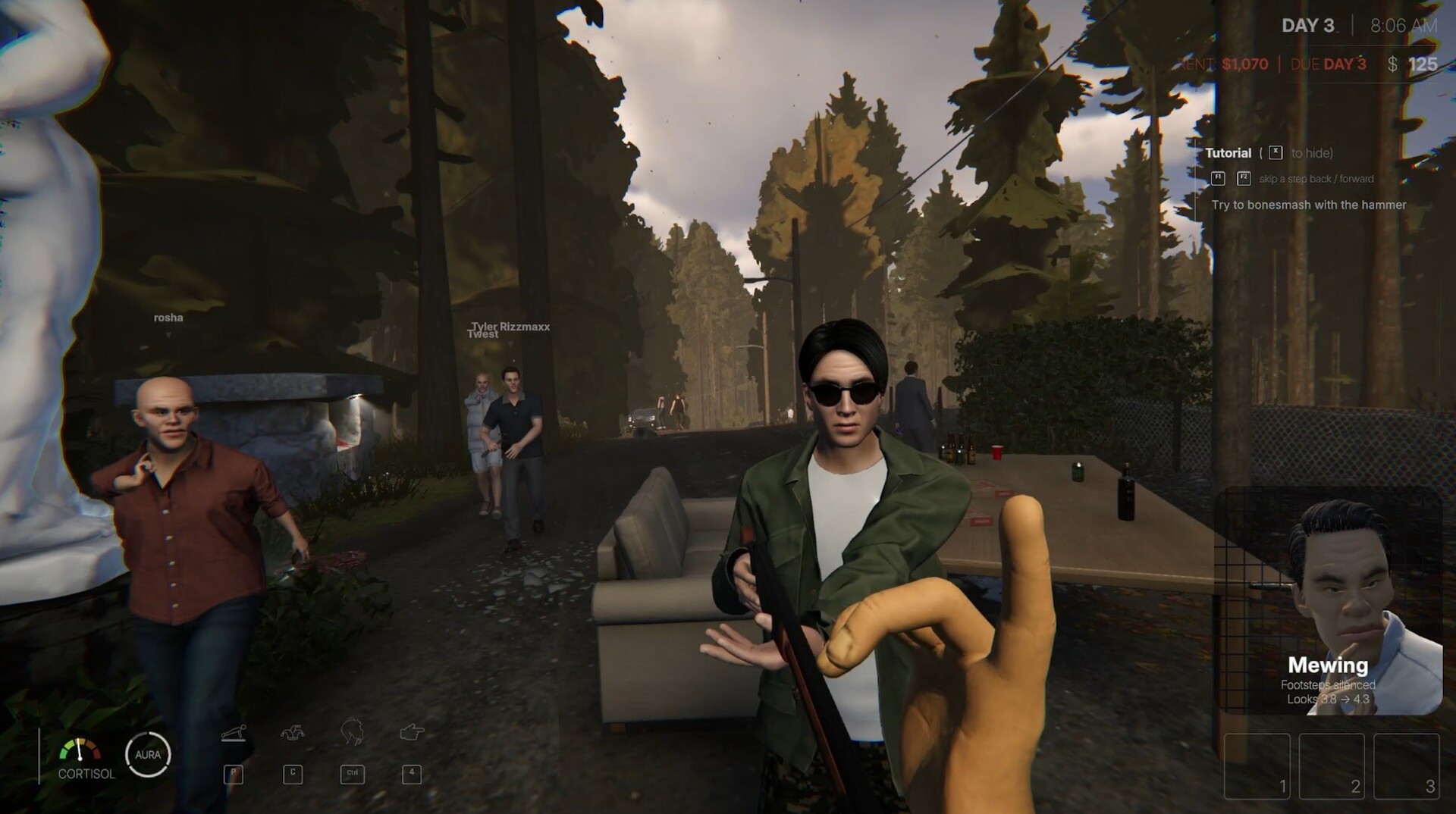
LOOKS is the number that decides the run — compared against your friends and against the quota — while AURA and CORTISOL are the day-phase levers you spend money on.
The short version
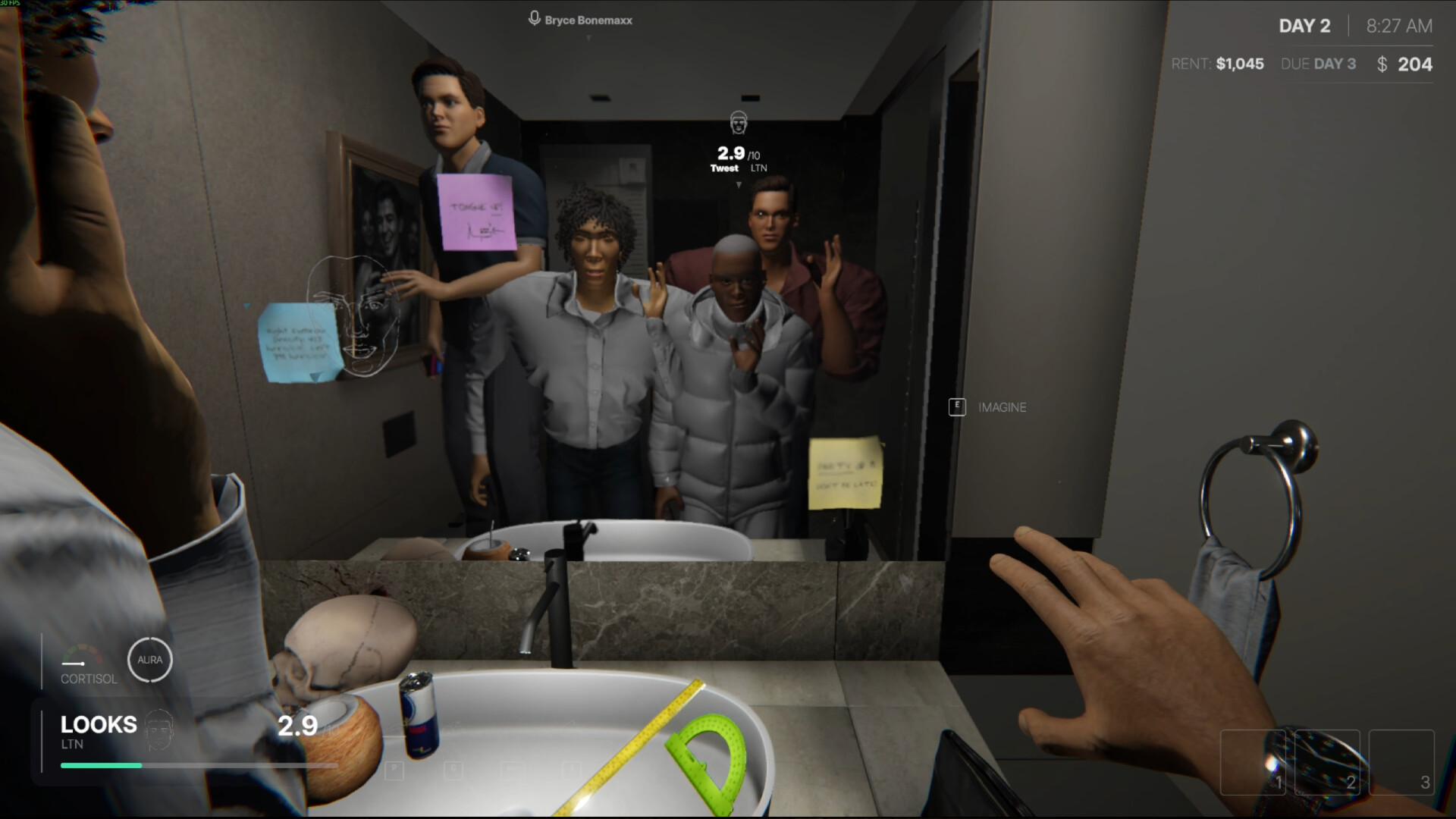
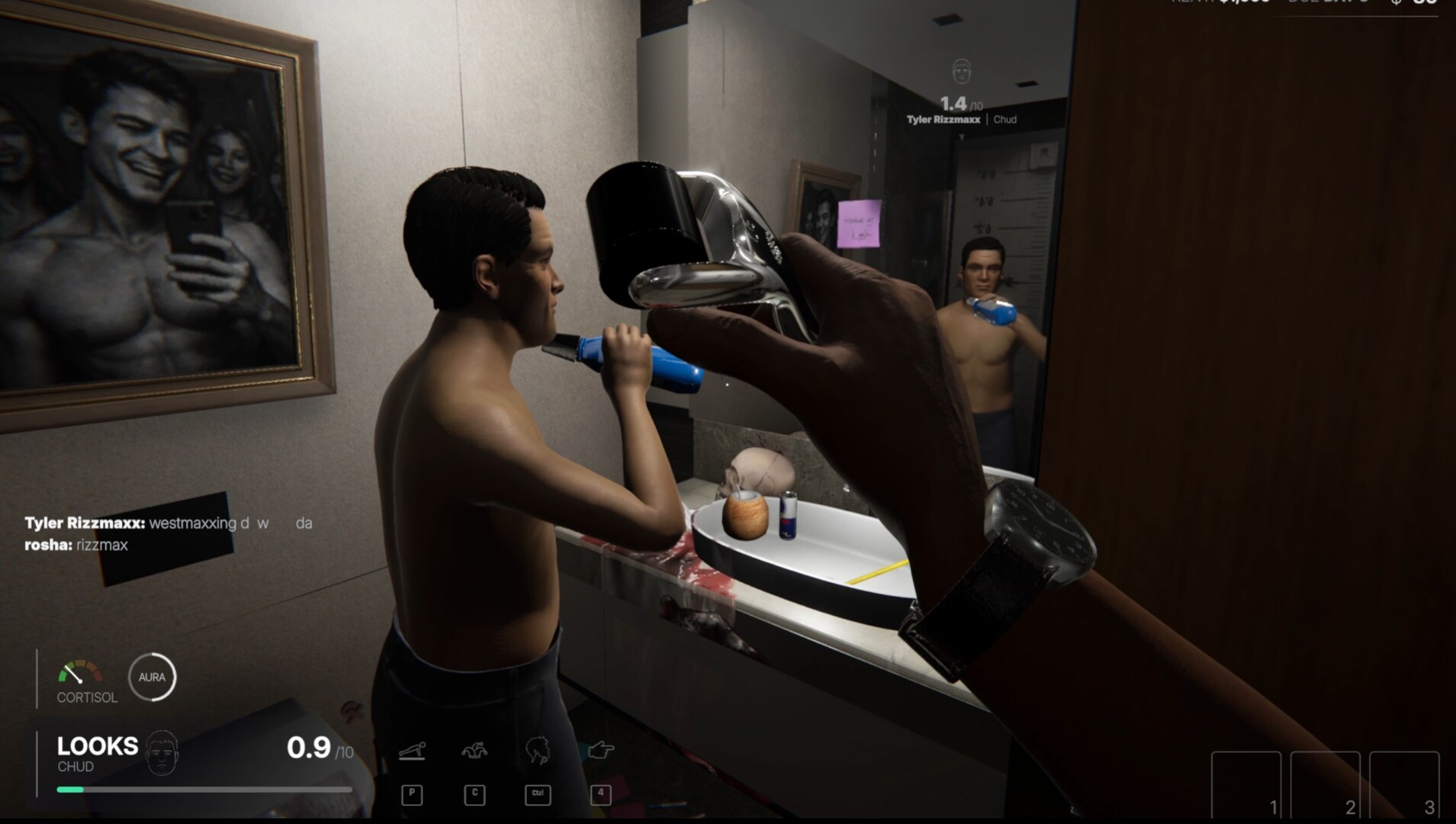
MOGGED: Looksmaxx or Die puts four gauges on screen — LOOKS, AURA, CORTISOL and CHUD — plus a clock, a rent line and a wallet. LOOKS is the one that decides whether you live; the other three describe the state you are in while you get there.
| Gauge | Seen on screen | What it is for |
|---|---|---|
| LOOKS | 0.9 / 10, 2.4, 3.0, 3.6, 4.3 | How attractive your character currently is — the number the quota and the hunter both care about |
| AURA | Modified by activities (Aura +0.5 on a Jestermaxxing pop-up) | Presence or confidence; activities and items push it |
| CORTISOL | 0.7, 0.9, 3.4 | Stress; managed by what you keep in the apartment |
| CHUD | 0.9 / 10 | The counterweight to LOOKS — the game's word for how far down the scale you look |
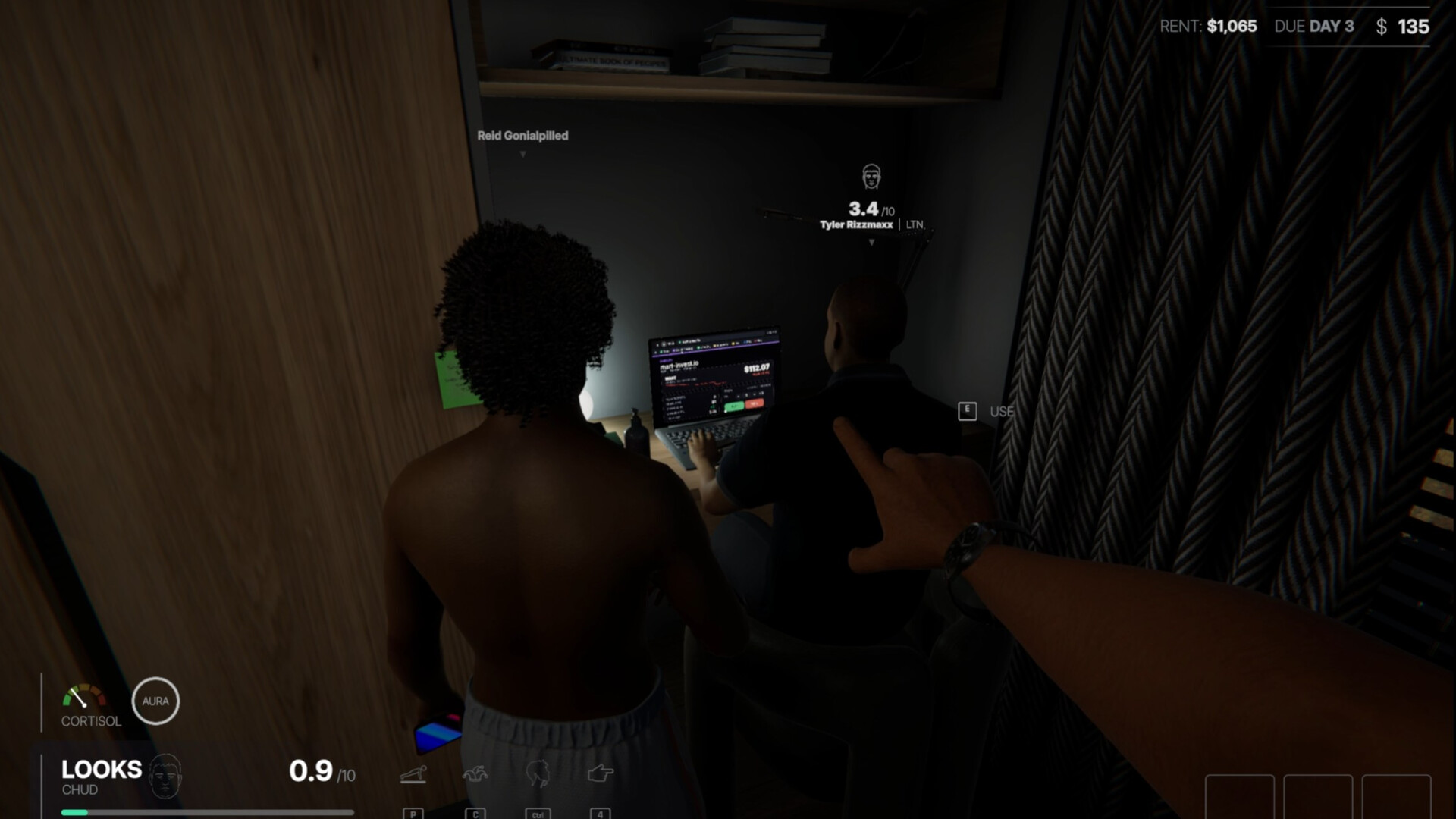
LOOKS: the number the whole game is built around
The store page states it flatly: looks are gameplay. Your score starts in the sub3 range and is dragged toward 10 by stolen products, questionable procedures and increasingly experimental research peptides.
Three consequences fall out of that:
- It is compared, not just counted. Being prettier than your friends keeps you alive; being prettier than the quota keeps the run alive. The same 3.6 is safe or fatal depending on who else is in the lobby.
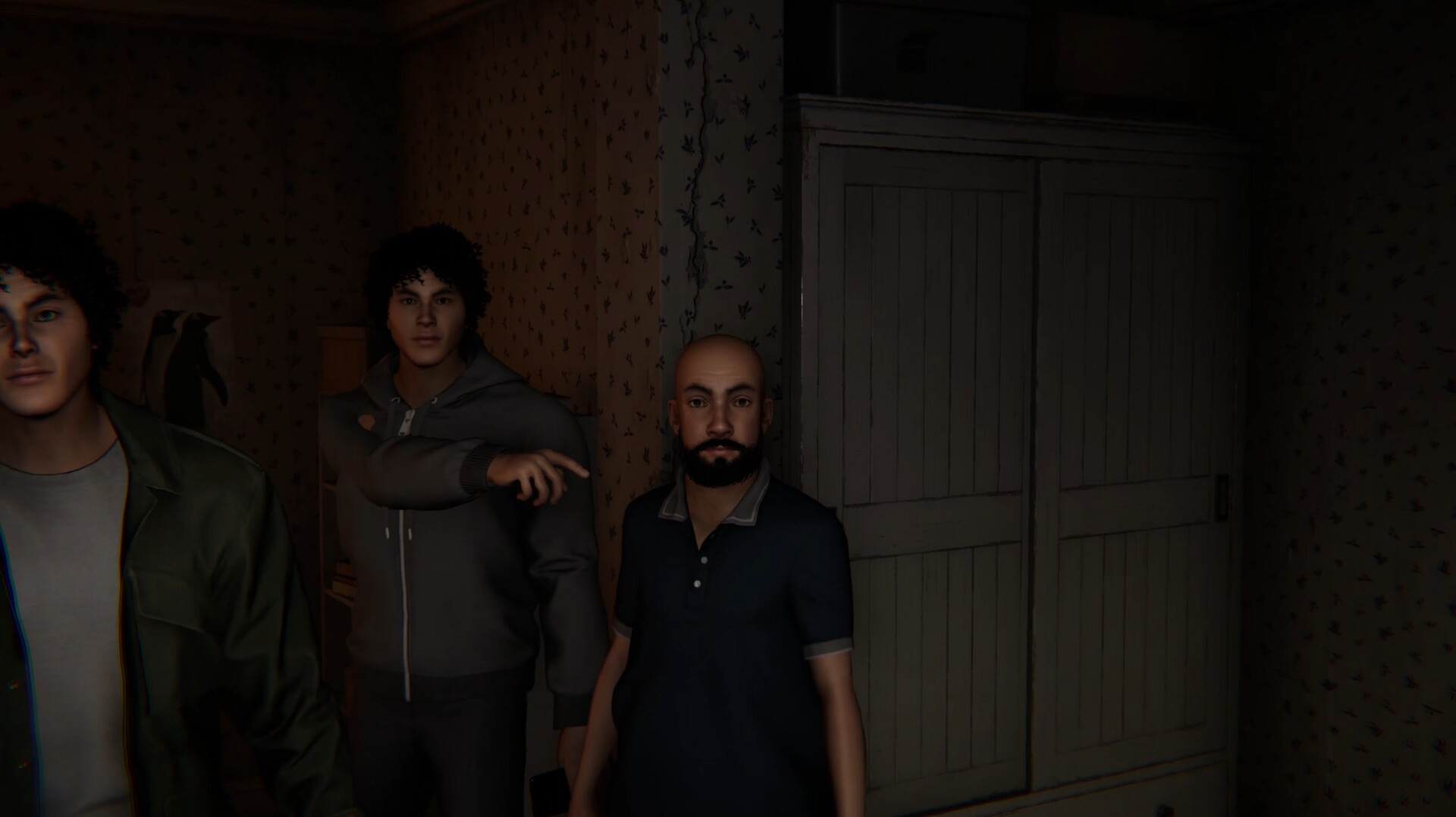
- It is public. The ugliest player gets hunted, so the gauge is a targeting marker as much as a score.
- It can be pushed past your starting hand. The official text says stacking enough compounds might get you past the genetic hand you were dealt — progression is not capped at your first value.
AURA: what activities are actually buying
AURA does not appear in the store copy at all; it appears in the screenshots. Activities report their effect directly on the unlock pop-up — the Jestermaxxing screenshot shows Aura +0.5 — which is the clearest evidence that the gauges are the currency the day phase spends.
Practical read: if an activity names a gauge in its reward line, it is a targeted purchase. Take it when that gauge is the one holding the group back, not because it was the cheapest option.
CORTISOL: the stress dial
CORTISOL readings in official screenshots run from 0.7 to 3.4, and the store page describes dorm equipment built to "manage your cortisol". That wording — manage, not maximise — is the whole mechanic: it is a resource you keep in a band, and the apartment is where you do it.
CHUD: the insult with a number
CHUD is the game's own label for the bottom of the scale, read as a /10 gauge in the same frame as LOOKS. Where LOOKS goes up as you improve, CHUD describes the state you are trying to leave — and both are visible at once, which is the point: the game always shows you the gap.
The other three readouts
| Readout | Example on screen | Meaning |
|---|---|---|
| Day and clock | DAY 2 · 8:27 AM, 11:32 PM | Where you are in the day/night cycle |
| Rent | RENT: $1,045 · DUE DAY 3 | A hard deadline that lands mid-run |
| Wallet | $204, $1,045, $1,155 | Cash on hand, separate from gear value |
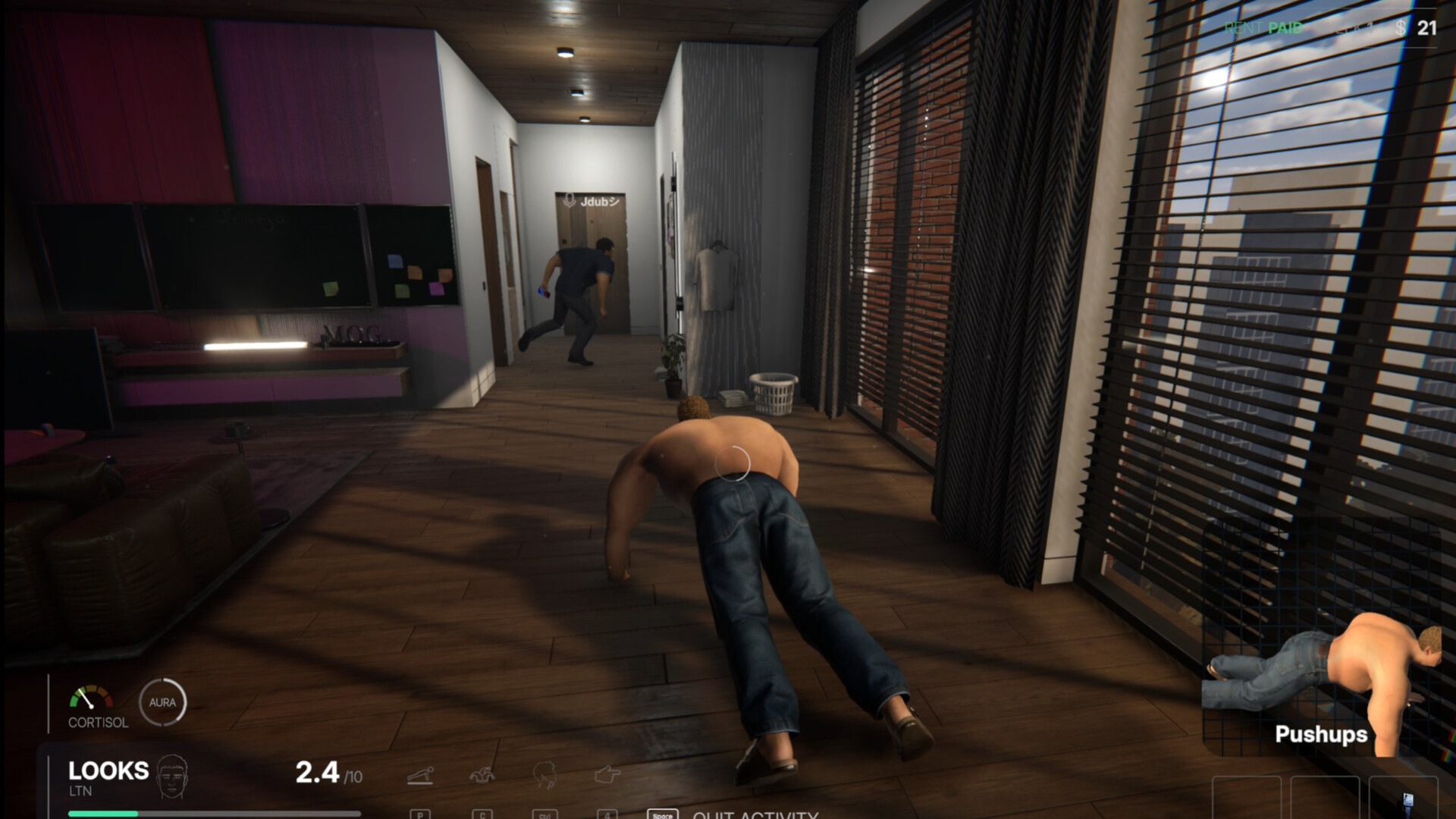
How the four gauges interact
Read them as a chain rather than four separate bars:
- CORTISOL and AURA are day-phase levers — you move them with activities and apartment gear.
- LOOKS is the output that carries into the night.
- CHUD is the shadow of LOOKS; it is what everyone else, and the thing inside the house, sees.
- The quota then compares your output against the group average.
That is why a good week looks boring: raise the day-phase gauges, convert them into LOOKS, bank the money before 5AM, and let the group average climb with you.
Next steps
- Put the gauges to work in the beginner guide.
- See the day/night loop for when each gauge matters.
- Running it on older hardware? Check the system requirements.